Microwave Generation

Microwave Generation

By Rhobie Toussaint

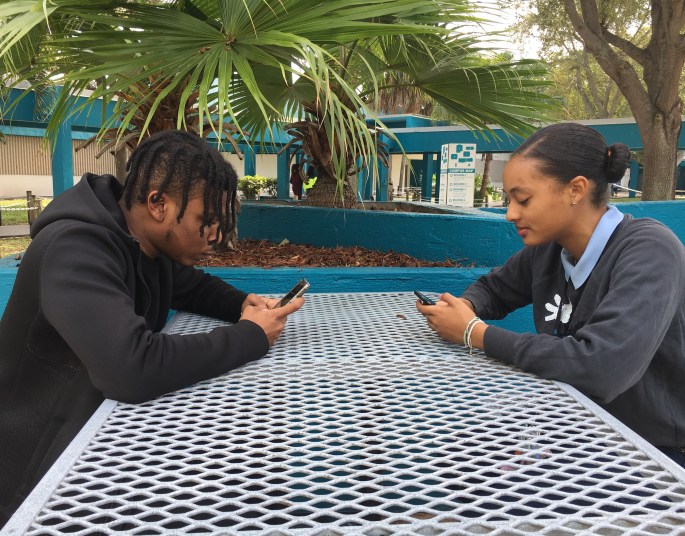
If one were to compare all of the major social media platforms that have appeared throughout the years, from MySpace to Facebook to Snapchat, a similar trend would be seen– modern means faster.

Coined by Raymond James, the term “Microwave Generation” sums up the impatience of Generation Z, those born between the years of 1995 and 2015. 

As people consume more information through the internet and different social media platforms, they also start to expect technological updates at a faster speed.

 For example, 4G, the fourth generation of cellular technology has an average speed of about 10 megabits per second (Mbps), but 5G, which is not fully researched or developed, is already being advertised by telecommunications companies. 

5G proposes some health concerns due to radiofrequency radiation and security violations. However, to most people the benefits seem to outweigh these dangers – with higher download rates, internet with even higher speed, and more, the microwave generation is bound to make some sacrifices for 5G.

The high expectations and need for constant renovation seen in Gen Z is ultimately what drives their impatience. Anything less than the speed and consumption of information that they are used to can lead to instant dissatisfaction.

“Most of the people our age can barely remember a time before the internet was as big as it is now, and in some ways, our generation does want that information more,” said Andrew Easterling, a junior at MLEC.

But this is not Gen Z’s fault. Nothing more and nothing less can be expected from a group of people that grew up during a time period of the latest smartphones and fastest internet speeds. If millenials or any other generation grew up with the same circumstances that Gen Z has, it is more than likely that they’d share similar traits.

“My parents are Gen X, and I’ve seen them, people even older, and everyone in between uses the internet for information, ” said Andrew.

Moreover, the expectations of more information in little time goes beyond those of Generation Z. It is a societal trend. Many who can have these technological advances are prone to expecting more– more technological advances, more information, more access. 

“From my understanding, most people actually want constant updates and upgrades, but that’s just because of the times we are living in,” said Adrien Rivero, a senior at MLEC. 

We have come to a point where it is only natural that people, of different age groups and ranges, are searching and yearning for quick renovation.

“I think people in general are always looking for change and improvement in whatever it is that they do,” added Rivero. 

This isn’t just a microwave generation. It is a microwave society. 
Backlash

Social Media Plus Gen Z Equals Continuous Backlash


In an era in which social media is prevalent and every move made is monitored by other users, it is almost impossible to always remain perfect in the eyes of the public. One misstep can cause backlash not even twenty four hours later or come back to haunt someone for years. Second chances, it seems, are rarely given in today’s society.

The sensitivity of Generation Z (Gen Z) is constantly debated, some saying that Gen Z gets offended by just about everything. Yet, others believe that growing up witnessing a great deal of violence, such as the influx of school shootings and suicides, has desensitized them.

While the sensitivity levels of Gen Z seem to be in a weird paradox, one thing’s for certain: they never seem to give anyone a break on social media.

If someone were to record themselves simply saying their thoughts in a manner people may not like, the post would go viral, comments would be filled with backlash, and following that would be mockery by other users.

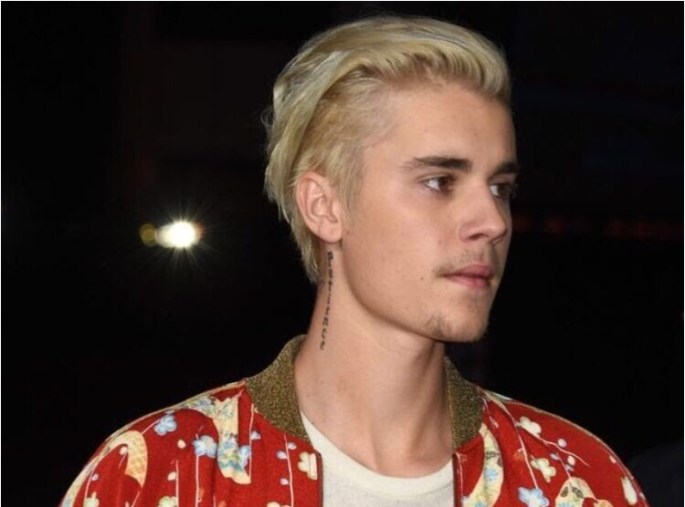
Just in April, Justin Bieber pulled an April Fool’s prank, in which he made it seem like his wife, Hailey Bieber, was pregnant and bearing his child. The prank resulted in controversy and was claimed to be insensitive to women with infertility issues.

Other celebrities have received backlash for resurfaced statements that were made years ago.

Artist Cardi B has faced criticism for saying she used to drug and rob men during her days as a stripper. She responded saying on an Instagram post, “I made the choices I did at the time because I had very limited options. I have a past that I can’t change we all do.”

Whether an incident happened recently, or fifteen years ago, it won’t go unnoticed, appearing in retweets and joked about in memes. Sometimes an individual will receive hate and criticism for a statement they’ve apologized profusely and faced consequences for twenty years later.

“For them it might have been a lifetime ago and they might have changed. But when it resurfaces, it doesn’t seem that way to us,” said Abigaelle Barreauny, a sophomore at MLEC.

This doesn’t go to say that the person doesn’t deserve part of the backlash. However, for one to hear a comment he or she made at age sixteen, and be held accountable for it the rest of their lives  is simply unfair and unnecessary.

Not giving second chances ultimately limits growth within society. When the media is always reminding one of a mistake they’ve made, it becomes increasingly difficult to move on.

A society that is unforgiving and stuck on the past doesn’t leave room for improvement. It’s time that after criticizing someone for their wrongdoings, people either move on or let it go. Everyone needs room to grow.


Image source: Getty Images


In Touch

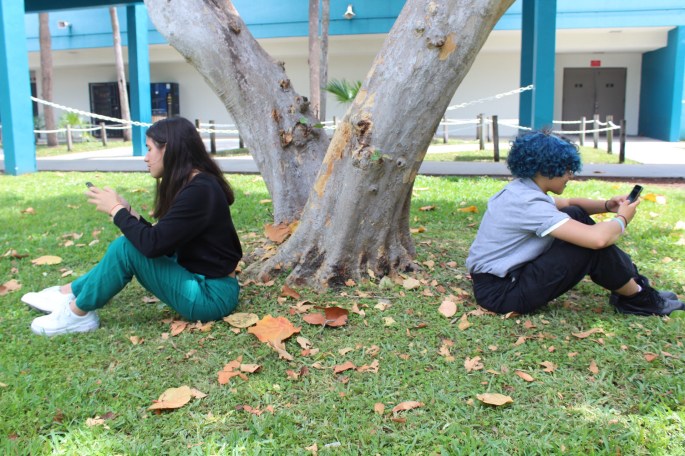
Going the Extra Mile to Keep A Friendship


Originally published in the Harbinger

As the school year comes to a close, a great fear approaches for seniors: separating from friends. It may feel like graduation will hold the last memories of hugs, conversations, and friendship; however, this doesn’t have to be the case. If both parties put in effort to keep the treasured bond, distance will no longer be a determining factor within the friendship.

Social media is becoming an integral part of the lives for many, and friendships can both be initiated and maintained through it. You can send snaps to your best friend and vice versa, showing how one another’s day is going or laughing at memes sent through the DMs of Instagram.

“We have a streak on snapchat and send each other posts on Instagram and Twitter,” said Alexandra Roberdeo, a MLEC alumnus and freshmen at Hamilton College, about her ongoing friendship with Daylin Delgado, a MLEC alumnus and freshman at Amherst College.

When you’re miles apart from each other with different schedules, talking to your best friend everyday is nearly impossible. But catching up once a week or every other week ensures that you keep in touch.

“We don’t call often but we’ve also never been the type to call all the time. We do update each other or ask each other questions like once a week,” said Daylin.

If you and your best friend are in different states, or even just different schools, there is always something new to talk about, ranging from teachers to mini adventures to relationships.

In trying to keep your bond, it is important to take advantage of every opportunity and never hesitate taking the time to tell your best friend about all the mishaps and exciting things that happened throughout the week.

And although busy schedules and distance may make it difficult to see each other often, try and make room for a visit or two. Perhaps this can be done spontaneously, on a weekend when you both are free or for special occasions such as birthdays.

“It’s not like the distance can get in the way. Last semester, I felt myself missing home a lot, so I took a train to Massachusetts and surprised Daylin,” said Alexandra.

It is also important to understand that while some friendships work out after high school, some simply don’t. It happens. However, it doesn’t hurt to try, especially if your friend holds great significance to you.

“Don’t worry about it. If it’s meant to last, it will. You can’t force something to work, but you should definitely work for it if it’s important to you,” said Daylin.

As the final days of high school approach, remember that with some effort, surprise visits, snap sending, and meme sharing, the bond you share with your best friend doesn’t have to end.

Hate Groups

Hate Groups Are On The Rise: But Why?

Originally Published on the Harbinger


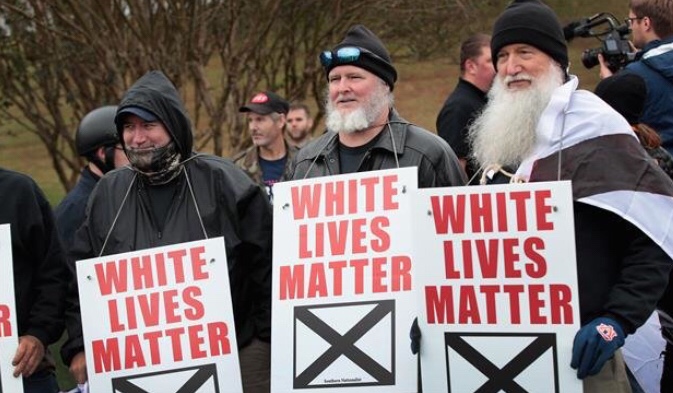
From the very founding of the United States, there has been racism, prejudice and hate present. Even after laws were put into place to avoid discrimination and give every race and gender equal opportunity, there is one thing still evidently present: hate. As of 2018 there have been 1020 hate groups reported and, though the times have changed, different factors have contributed to the increase of hate groups. 

“There is a 30% jump in hate groups that coincides with [Trump] running for office and winning the presidency… Trump plays on fears of  immigrants to build up his base,” said Heidi Beirich, the director of the Intelligence Report, which is published quarterly by the Southern Poverty Law Center. 

Trump has made many allegations towards immigrants, calling them “rapists, criminals,” and so forth. And as a result, many have become fearful of and hateful towards immigrants, believing that they make no contributions the country, and live a life of fear. 

Just as there are people afraid of immigrants, some hate groups and white supremacists are afraid of the increasing diversity occurring in the U.S. These white supremacists believe that, because they are superior, other races shouldn’t be present and that there is no need for diversity.  

“We are now very close, maybe 20 years away from whites being a minority in the United States. And that change freaks some people out, people who are uncomfortable with cultural change and increased diversity and multiculturalism,” said Beirich. 

The response to this fear is an increasing amount of hate towards minorities, the government, and others. Throughout most of the 50 states, there are different clans, from anti-LGBT groups to neo-confederates to the racist skinheads. And since these groups are acting out of hate and anger, violence is often followed. 

“They want to kill minorities, or Jews, or whatever the case may be because they believe that white people should run this country and they’ve decided that the only way to achieve that is through weapons of war,” added Beirich. 

Another factor contributing to the rise of hate groups is social media. With social media platforms such as Facebook and Instagram many of these hate groups now have the means to spread propaganda, recruit members, and organize rallies. Unlike people decades ago, users now have the ability to see all that hate groups have to say with as little as a click or a scroll. 

In Florida, there have been 75 active hate groups reported, the third highest in the United States. Not only is Florida home to a great amount of peopleover twenty millionthere is also divisiveness in the state, which is especially seen during the election.  

“States like California, Florida, and New York that have large populations are often at the top of the list for hate groups… California and New York, when you look at the number of hate groups per capita is actually much lower than Florida… That reflects partly that Florida, although the southern part of the state is very cosmopolitan and very multicultural, the panhandle and the northern area are more like their cousins in the deep south,” said Beirich.  

Seeing as how many social media platforms that are trying to perfect algorithms which will prevent hate groups from continuing to gain momentum and diversity in the U.S. are also increasing, it is projected that the amount of active hate groups will also continue to rise. The hate that resided in America before the 1960s is still here today, and for the time being, will continue to be evident in clans throughout the country.


Photo taken by AFP